

Preparing for Floods and Landslides
- If you live near streams or rivers, check to see how often they have flooded historically.
- Put together an emergency preparedness kit and a household evacuation plan. Be sure to include your pets in your planning.
- Stay informed about your local community’s risk and response plans.
- Ensure each member of your household knows how to get in touch with you if you are separated during an emergency.
- Download emergency apps on your phone.
Protect Your Family and Housemates
- Talk with your family about what to do if a flood watch or warning is issued. Discussing floods ahead of time helps reduce fear (especially for younger children.)
- Make sure you have access to NOAA radio broadcasts
- Make sure you have a battery-powered or hand-crank radio on hand. INW customers have received radios via their Redfora emergency bags.
- Keep insurance policies, documents, and other valuables in a safe deposit box or a safe place less likely to be damaged during a flood. Make sure you can access the documents quickly. You can store electronic copies of the documents in the cloud or on a flash drive you can carry with you on your house or car keys.
- Prepare for your pets in the event of an evacuation. Be sure you have food, carriers, and important medication ready to go.
- Have each member of your household fill out a Family Communication Card, Click here to get yours from Ready.gov.
What To Do During a Flood
- Stay off bridges over fast moving water.
- Stay at your current location, but move to a higher ground or floor.
- Listen to authorities for information and instructions.
- Avoid driving except in emergencies.
- Evacuate if told to do so.
How To Stay Safe After a Flood
- Be aware that snakes and other animals may end up in your home.
- Wear heavy gloves and boots during clean-up.
- Avoid wading in floodwater which can contain dangerous debris and be contaminated. Underground or downed power lines can also electrically charge the water.
- Be aware of the risk of electrocution. Do not touch electrical equipment if it’s wet or if you are standing in water. If it is safe to do so, turn off the electricity to prevent electric shock.
- Look for and report broken utility lines to appropriate authorities.
- Check your home’s foundation and/or chimney if you live in a house. Survey surrounding land for damage.
- Use a generator or other gasoline-powered machinery ONLY outdoors. Keep generators away from windows.
Your Personal Readiness Plan
- Communication is key during emergencies. It might be helpful to give emergency responders a written document explaining how you communicate. If you need to utilize Speech-to-Speech Relay, be sure to have this number on hand: 1-877-735-7525.
- Be sure you have an updated list of all your emergency health contacts and their numbers.
- Practice what to do before and after an emergency with someone you trust.
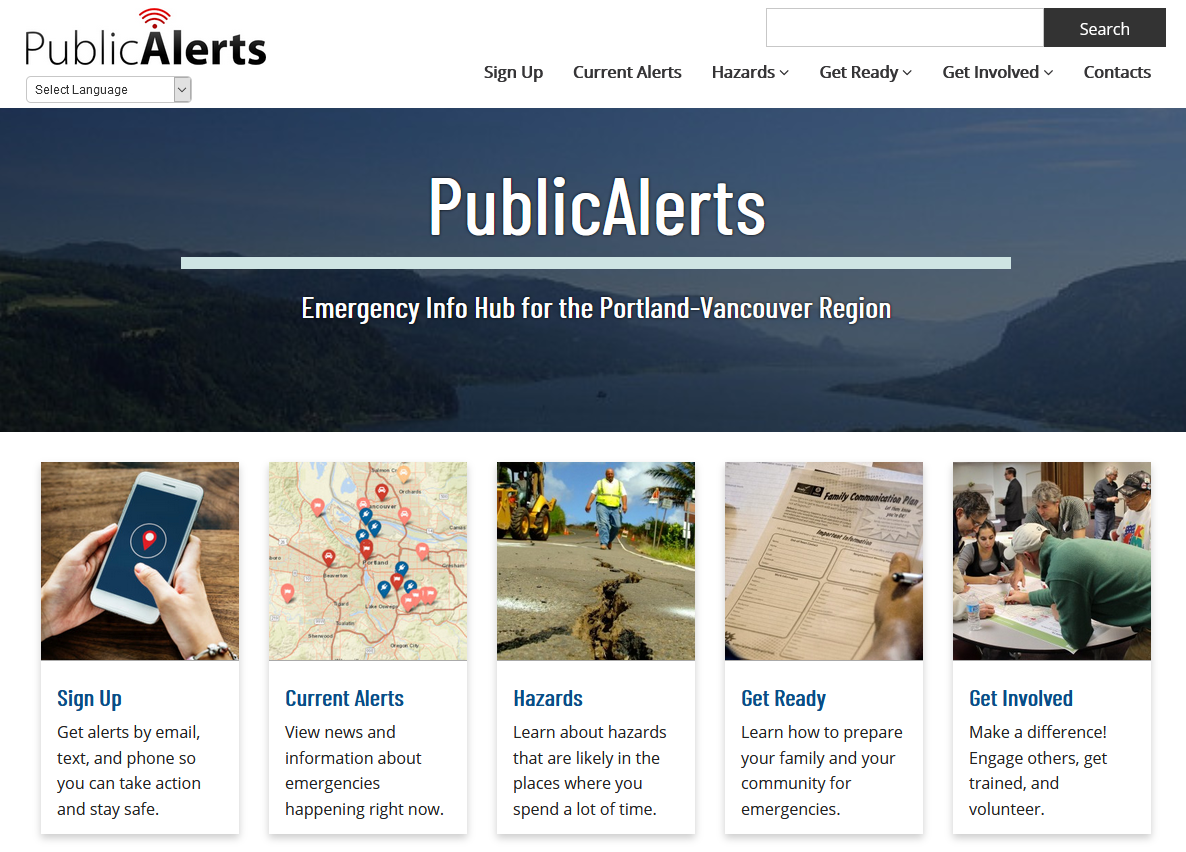
Public Alerts
- Public Alerts (official local alert system for the following areas)
- FEMA Text Alert
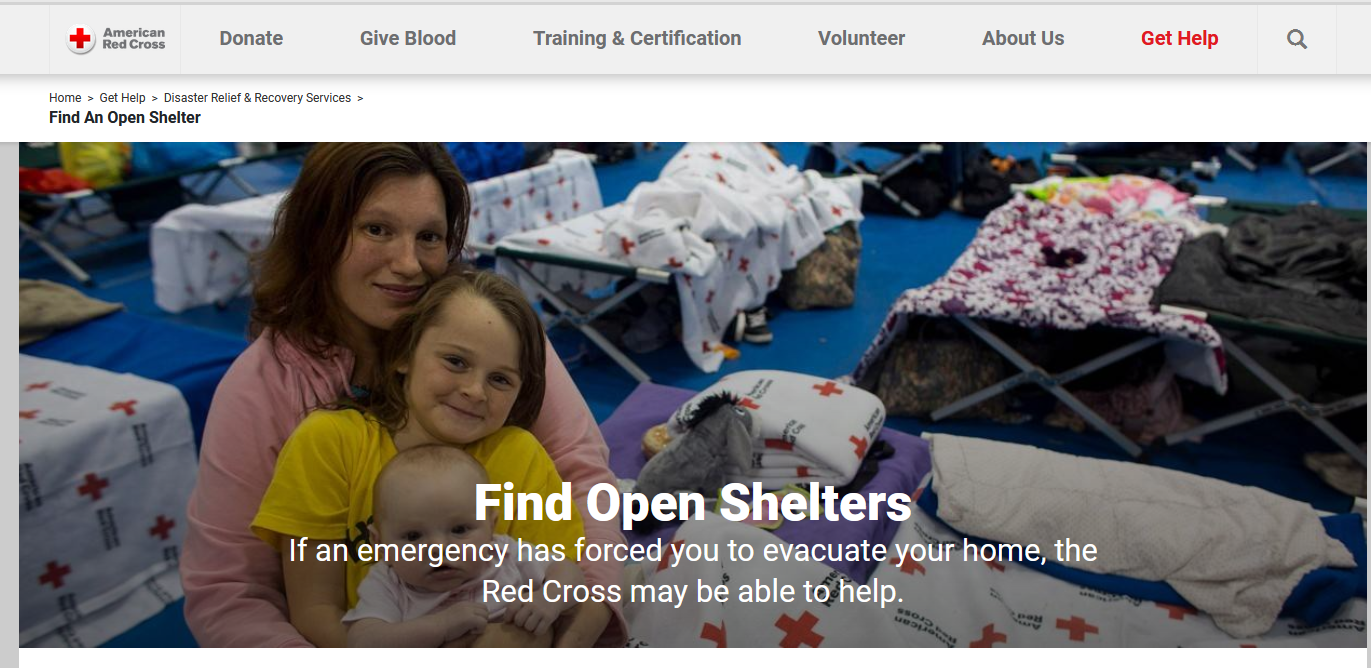
- American Red Cross alert app
- Nixle Alerts
919 NE 19th Avenue #275 Portland, OR 97232
Phone: 503.546.2950 | Fax: 503.546.2968